Gearing Up for Next Season: A Tree & Lawn Care Business Checklist

For growing tree and lawn care companies managing multiple crews or commercial properties, January isn’t downtime, it’s your most strategic planning windowWhile your equipment might be tucked away from the winter months, the most successful owners are already gearing up for next season.
In 2024, the landscaping industry in the U.S. reached a market size of over $153 billion (IBISWorld), and as we continue forward, the differentiator between “profitable” and “peak performance” lies in operational efficiency. This tree lawn care business checklist is your roadmap to ensuring that when spring arrives, your team is ready to hit the ground running.

Phase 1: The Digital and Financial Foundation
Before a single mower is fueled, your landscaping business must audit its digital infrastructure. According to consumer surveys by Execs In The Know, 67% of homeowners now prefer to pay for home services via digital portals or mobile apps rather than traditional checks.
1. Optimize Cash Flow with Modern Payments
Stale billing cycles are the silent killers of a well maintained landscape business. Use January to transition your residential and commercial properties to automated billing.
- Audit Your Payment Processor: Are you still chasing “slow money”? A modern system allows you to send invoices via text or email the moment a job is completed.
- Action Step: Integrate Arborgold Payments to reduce your Days Sales Outstanding (DSO) and ensure you have the liquid capital needed for the warmer months ahead.
2. Update Your Landscape Maintenance Checklist
Every crew should have a standardized landscape maintenance checklist for every property type. This ensures regulatory compliance and high curb appeal for both residential and commercial properties.
- Verify your essential tasks list: Does it include gutter cleaning, leaf removal, and debris removal?
- Standardize your spring cleanup protocols to include clearing debris and checking irrigation systems.
Phase 2: Agronomic Planning & Soil Health
A well maintained landscape begins below the surface. To ensure healthy growth during the growing season, your agronomic strategy must be finalized before winter sets its final frost.
1. The Soil Test and Nutrient Plan
Don’t guess; test. Conduct a soil test on your top-tier commercial properties to determine pH levels and nutrient deficiencies.
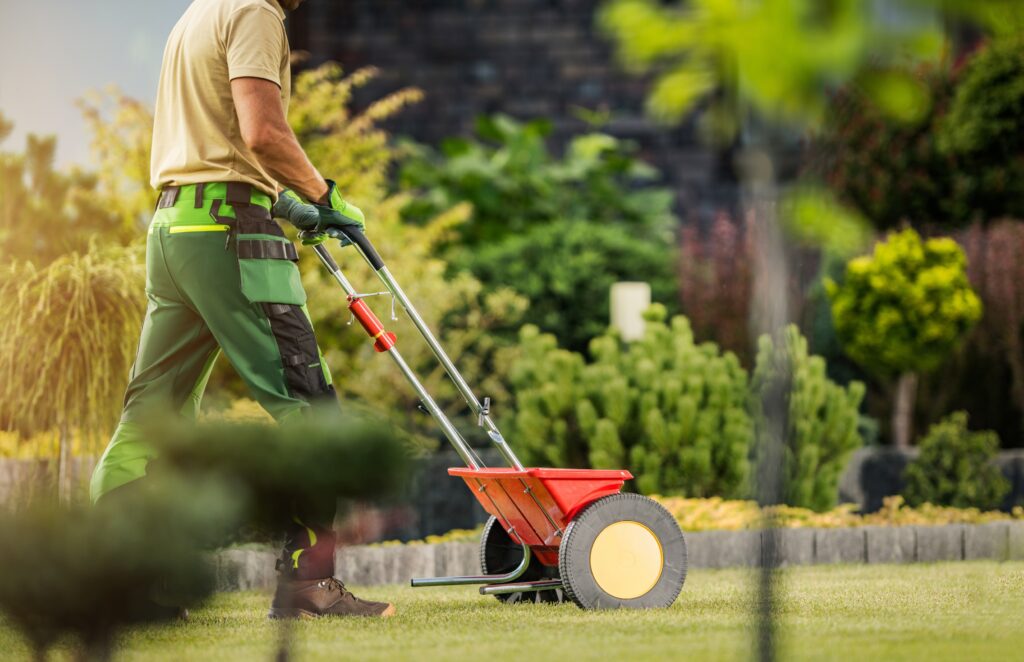
- Slow Release Fertilizer: Plan your application schedule. Using slow release fertilizer ensures that nutrients are available as the spring growth begins, preventing the nitrogen “spike and crash” common with cheap alternatives.
- Protect Plant Roots: Proper fertilization in early spring helps protect plant roots from the upcoming summer heat.
2. Pre-Emergent Weed Control
The secret to a pristine outdoor space is prevention.
- Apply Pre-Emergent Herbicides: Timing is everything. Your seasonal lawn care checklist should mandate that you apply pre-emergent herbicides when soil temperatures consistently reach 55°F to control weed growth before weed seeds can germinate in garden beds and planter beds.
- Target Problem Areas: Focus on flower beds and planting beds where new growth of crabgrass or broadleaf weeds often starts.

Phase 3: Equipment and Fleet Readiness
Nothing erodes profit margins faster than equipment failure at job sites in May. Your landscaping tools are the lifeblood of your service delivery, but for a multi-crew landscaping business, simple maintenance isn’t enough. You need a centralized fleet strategy.
1. Mastering Preventive Maintenance (PM)
The transition from a “fix-it-when-it-breaks” mentality to a structured Preventive Maintenance (PM) schedule is the hallmark of an industry leader.
- Usage-Based Scheduling: Instead of simple calendar checks, implement hour-based scheduling. For your commercial mowers, this means logging engine hours to trigger oil changes, filter replacements, and sharpening blades every 50 to 100 hours of actual work.
- The “Ready to Roll” Audit: Ensure every crew performs a daily pre-departure and post-return check. This includes fluid levels, tire pressure, and a quick inspection for dead branches or debris caught in the undercarriage.
2. Tool Accountability and Inventory Logistics
In the chaos of the growing season, tools often “walk away.” January is the time to build a system that ensures your high-value assets—from stump grinders to specialized landscaping tools—are always accounted for.
- The Check-In/Check-Out System: Assign a unique ID or barcode to every piece of equipment. When a crew lead signs out a tool, they are responsible for its condition until it is signed back in.
- Visual Organization: Use shadow boards in your shop for smaller tools like trimmers and edgers. If the shadow is empty, the tool is missing—allowing you to address the loss immediately rather than discovering it at the job site.
- Real-Time Tracking: Utilize GPS tracking to monitor engine hours and equipment location. This doesn’t just prevent theft; it provides the data needed to verify “time on site” for accurate billing on commercial properties.
Pro-Tip for Scaling: If you are managing more than two crews, your logistical complexity has tripled. For a deep dive into organizing your shop, check out Arborgold’s guide on Fleet & Equipment Management Tips for Multi-Crew Lawn Care Businesses.
Nothing erodes profit margins faster than equipment failure at job sites in May. Your landscaping tools are the lifeblood of your service delivery.
Phase 4: Total Inventory Intelligence (Plants & Chemicals)
While managing “living assets” is critical, your landscaping business cannot protect them without a coordinated chemical strategy. In the winter months, your warehouse shouldn’t just be a storage space; it should be an organized hub of data.
1. The Chemical Inventory Audit
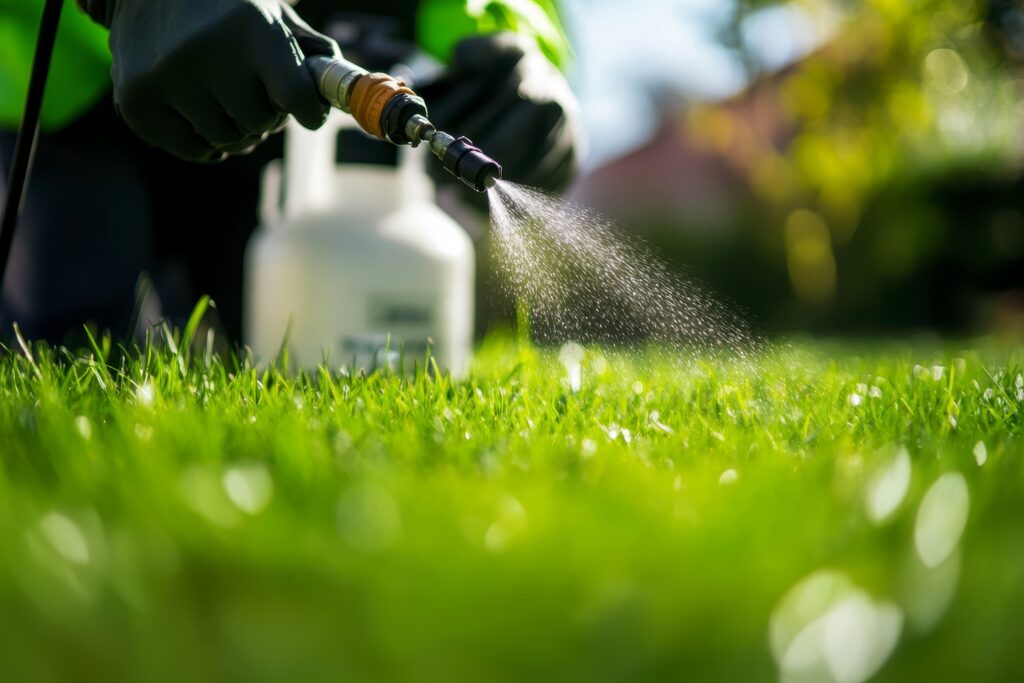
Before you apply pre-emergent herbicides or launch a large-scale pest control campaign, you must know your stock levels down to the ounce.
- Regulatory Compliance: January is the time to ensure all SDS (Safety Data Sheets) are updated and that your storage meets local environmental standards. Tracking chemical usage per job isn’t just good business; it’s often a legal requirement.
- Cost Control: With the cost of high-grade slow-release fertilizer and specialized pesticides fluctuating, having a real-time count prevents over-ordering and chemical expiration.
- Ready for the Flush: Ensure your team has the exact volume of weed control products needed for that first critical window when spring arrives, and weed seeds begin to germinate.
Master Your PHC Stock: For a step-by-step guide on organizing your warehouse, read: Chemical Inventory Prep Made Simple for Plant Health Care Companies.
2. Synchronizing Plants and Treatments
By using Arborgold’s Tree & Plant Inventory Software, you can link specific chemical treatments to individual trees or planting beds.
- Historical Data: When a technician arrives at one of your commercial properties, they should be able to see exactly when a plant last received a soil health treatment or pest control application.
- Efficiency at Scale: This level of detail lets you schedule thorough cleanup and treatment visits together, reducing the number of trips to job sites and keeping your grass healthy without wasted labor.
3. Preparing for Spring Planting
As you plan for the season ahead, ensure your planting beds are prepped for healthy growth.
- New Mulch and Soil: Coordinate your inventory of new mulch and soil amendments so that when the ground thaws, your crews have everything they need to protect plant roots and ensure the survival of new installs.
- Detail Perennials: Audit your inventory of perennials and groundcovers to ensure you can fill any bare spots that may appear after winter sets in.

Phase 5: The Operational Checklist (A Seasonal Guide)
To help you organize your landscaping services, use this seasonal landscape maintenance checklist to guide your managers.
| Month | Focus | Details |
|---|---|---|
| January/February | Planning | Soil health audits, equipment repair, and hiring. |
| March/April | Spring arrives | Thorough cleanup, apply pre-emergent herbicides, and weed control. |
| May/June | Growing Season | Mowing, pest control, and monitoring irrigation systems. |
| July/August | Summer Heat | Adjusting mower height to keep grass healthy, watering schedules. |
| September/October | Winter Ahead | Aerate and overseed bare spots, detail perennials, and leaf removal. |
3 Tips to Boost Efficiency for the New Season
- Eliminate Soil Compaction: In high-traffic commercial properties, schedule core aeration in both spring and fall to ensure oxygen reaches the root zone.
- Define Crisp Lines: Use specialized landscaping tools to create crisp lines around flower beds. This simple step dramatically increases the perceived value of your landscape maintenance.
- Bridge the Gap with Snow Removal: If you offer snow removal, use the transition period between the last plow and the first mow to perform “Gold Star” equipment hand-offs, ensuring no tool goes into the field without a full inspection.
Master the winter season: Download the Complete Guide to Snow Removal.

Phase 6: Sales, Renewals, and the Arborgold Advantage
Thought leadership isn’t just about how you cut grass; it’s about how you manage relationships. Use the warmer months of the planning phase to touch base with every client.
1. Automated Renewals
Stop manually calling every client for their seasonal lawn care checklist approval. Use Arborgold’s automation to send renewal proposals. This allows you to fill your schedule before your competitors even wake up from their winter slumber.
2. Upselling Through Education
When you send out your spring cleanup notices, include a section on the importance of soil health or the benefits of slow-release fertilizer. Educated clients are more likely to invest in the “extra” services that make their well-maintained landscape stand out.
3. Project Management Integration
As you take on larger landscaping projects—like installing retaining walls or stone pathways—you need a bird’s-eye view of your labor costs.
- Arborgold Integration: Leverage project management tools to see real-time job costs vs. estimates.
The Road to a Record-Breaking Year
Gearing up for next season is a marathon, not a sprint. By checking off these essential tasks early in the year, you ensure that your landscaping business isn’t just reactive, but proactive. From auditing your irrigation systems to ensuring your landscaping tools are sharp, every minute spent in the “off-season” pays dividends when the growing season reaches its peak.
Remember, a well maintained landscape is the result of a well-managed business. By combining agronomic expertise with the right digital tools, you can ensure your clients enjoy a beautiful outdoor space and you enjoy a more profitable bottom line.

Click here to take a product tour of Arborgold Software and see how we help tree, lawn care, and landscaping businesses like yours scale.
Frequently Asked Questions
What should be included in a pre-season checklist for a landscaping business?
A pre-season checklist should cover five key areas: digital and financial readiness, agronomic planning, equipment and fleet maintenance, inventory management, and sales renewals. This includes tasks like soil testing, updating maintenance checklists, reviewing chemical inventory, and performing preventive maintenance on equipment.
How do I prepare my landscaping equipment for spring?
Start by conducting a full preventive maintenance audit. Log engine hours on commercial mowers, replace filters, sharpen blades, and check fluid levels. Create a daily checklist for crews to perform pre-departure and post-return inspections. Use fleet management tools like Arborgold to track service history and usage.
When should pre-emergent herbicides be applied?
Pre-emergents should be applied when soil temperatures reach about 55°F consistently. This timing prevents weeds from germinating in lawns, flower beds, and planting beds. Scheduling this early in your seasonal plan ensures weed control is in place before growth starts.
How can I manage inventory better for plant health care services?
Use digital tools to audit chemical stock levels, track expiration dates, and monitor usage per job. Arborgold’s inventory features let you assign treatments to specific trees or beds, sync with your job schedule, and stay compliant with SDS documentation requirements.
Why is January important for lawn care businesses?
January is an ideal time for strategic planning. With fieldwork on pause, business owners can focus on cash flow preparation, equipment maintenance, employee training, and automating renewals for the upcoming season. This off-season effort saves time and increases profitability during the peak months.
How does Arborgold help with pre-season planning?
Arborgold helps landscaping companies automate renewals, manage chemical and equipment inventory, track job costs, and optimize crew schedules. With features for project management, customer communication, and mobile estimates, Arborgold gives business owners full visibility and control heading into the busy season.
Share this resource