Pre-Season Prep Checklist for Lawn and Landscape Businesses

The transition from the quiet of off season planning to the high-velocity demands of spring can make or break your year. As the warmer months approach, many lawn care professionals find themselves racing against the clock to ensure their operations don’t break when demand spikes. This makes the upcoming season the ideal time to audit your internal systems and processes before the first phone calls start flooding in. It’s crucial to be fully prepared and operational when spring arrives, so your team is ready to start working at full capacity and meet the surge in demand.
April isn’t just the start of the rush – it is also National Lawn Care Month. This month serves as a major spotlight on the green industry, making it a prime opportunity for your landscaping business to showcase its expertise in soil health and landscape maintenance to new clients. By using a preseason checklist, you can ensure your team is ready to hit the ground running and provide high-quality landscaping services that lead to repeat business from both residential and commercial properties. Encourage your clients to start scheduling their services for the year now to help secure early bookings and maximize your spring schedule.
Introduction to Pre-Season Preparation
Pre-season preparation is the foundation of a successful lawn care business. For lawn care professionals, the weeks leading up to the busy season are the ideal time to get ahead with a detailed pre-season checklist. By planning early, you can ensure your equipment maintenance is up to date, your team is fully trained, and your services are ready to meet client expectations.
Reviewing your seasonal landscape maintenance checklist allows you to identify areas for improvement, schedule essential equipment maintenance, and plan for effective pest control and weed growth prevention. This proactive approach not only reduces last-minute stress but also positions your business to deliver high-quality lawn care throughout the upcoming season. In this guide, we’ll walk through the key steps every landscaping business should take to prepare for a seamless transition into spring, covering everything from employee training to marketing, financial planning, customer service, and route optimization.
Audit Your Intake Before the Busy Season
Spring demand has a way of exposing weak systems almost instantly. If your business isn’t ready to handle a 2-3x increase in volume, missed calls quickly turn into missed revenue.
- Test Your Tech: Ensure all website forms are routing correctly and that online booking portals for new clients are live.
- Standardize Your CRM: Clean up your data fields and ensure your landscape maintenance checklist is integrated into your workflow for consistent bidding.
- Update Your Scripts: Prepare your team by updating sales scripts specifically for spring promos. According to recent industry reports, standard lawn care services offer a staggering 217% return on investment for property owners.

Equipment Maintenance and Inventory
Nothing kills your margin during peak months like unexpected downtime. Use the remaining off season to perform routine maintenance so your tools are ready for the first thorough cleanup of the year.
- Precision Cutting: Sharpen blades and replace worn parts on all mowing equipment to ensure a clean cut for new growth.
- Vehicle Readiness: Complete a full equipment maintenance sweep, including checking tire pressure and inspecting belts and filters.
- Stock the Essentials: Verify your inventory of slow release fertilizer, pre-emergent herbicides to control weed growth, and other chemicals before supply chains tighten.
Employee Training and Safety
Untrained crews slow down job sites, leading to callbacks that frustrate new customers and commercial clients alike.
- Finalize Crew Sizes: Ensure your seasonal hires are recruited and onboarded before the April rush.
- Safety First: Complete all employee training and safety certifications while you have the time to do it right. Staff training should encompass safety procedures, equipment operation, and company service standards.
- Train for New Services: Train existing employees on any new services or changes before the busy season to ensure operational efficiency.
- Onboard Early: Onboard new hires a week or two before the busy season starts for effective training and smoother integration.
- Winter Training: Schedule employee training during winter to make it easier to manage time during the busy season.
- Off-Season Advantage: Use the off-season for employee training to improve efficiency and service quality during peak months.
- Define Roles: Document clear responsibilities and the weather reschedule process, so crews know exactly what to do when weather conditions shift.
Optimizing for Soil Health and Growth
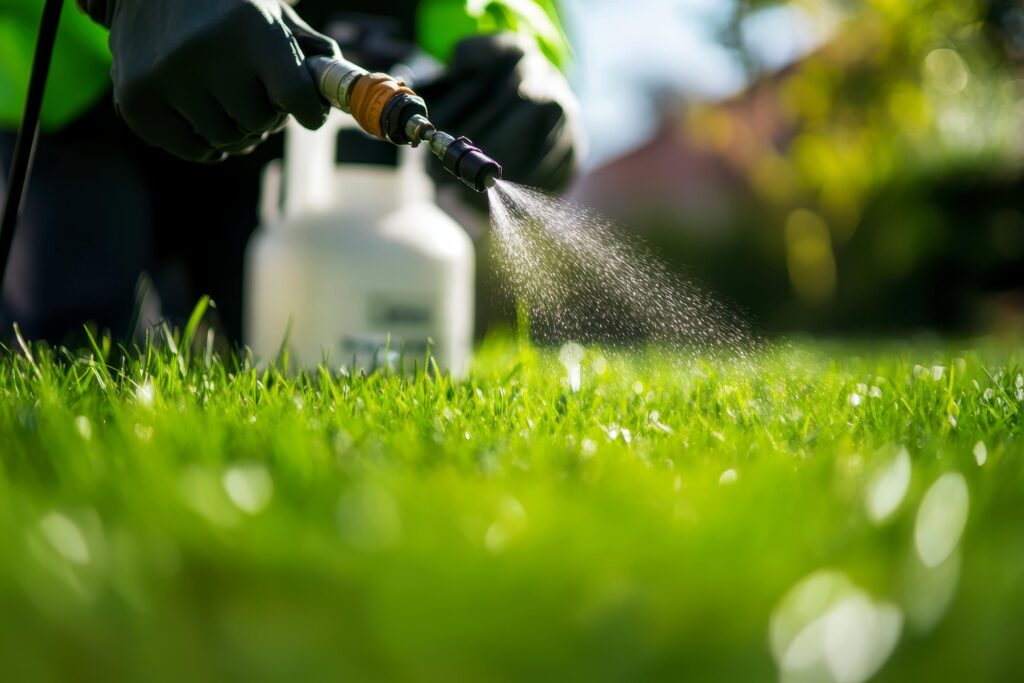
Before winter sets and soil conditions change, finalize your agronomic strategies to ensure optimal soil health and growth in the coming season.
As winter dormancy ends and soil temperatures rise, your focus shifts to the root zone.
- Soil Prep: This is the time to conduct a soil test to address soil compaction or nutrient deficiencies before the growing season is in full swing.
- Landscape Protection: From managing weed seeds to applying mulch to protect plant roots, your landscaping services should be ready to address bare spots and promote soil health immediately.
- System Checks: If you manage irrigation systems, test them now to ensure they are ready to support new growth as the summer heat approaches.

Boost Efficiency with a Proven Framework
Success in the green industry isn’t just about working harder; it’s about having the right systems and processes in place. A comprehensive pre-season checklist allows you to identify bottlenecks before they cost you repeat business.
Don’t wait until the calls start flooding in. Use this time to focus on your operations so you can boost efficiency and scale effectively.
Share this resource