Why Landscaping Companies Outgrow Basic Software (And What They Actually Need Next)

Most landscaping companies don’t hit a breaking point because they lack effort. They hit it because their systems stop working.
What got you here, spreadsheets, QuickBooks, a simple CRM, and a handful of disconnected tools, starts to slow you down once the business grows. At first, the friction is subtle. Then it becomes constant. Schedules slip. Jobs get missed. Communication breaks down.
This isn’t a people problem. It’s a system problem.
And recognizing that shift is what moves companies from patchwork tools to real landscape business management software that supports growth instead of limiting it.
Most Landscaping Companies Don’t Start With Full Software Systems
In the early stages, simple tools work.
A spreadsheet tracks jobs. QuickBooks handles invoices. Maybe there’s a basic CRM or even just notes in a phone. When you’re running one crew or managing a small number of jobs, this setup feels efficient.
You can see everything. You can remember details. You can adjust quickly.
That’s why many companies stay in this phase longer than they should. The tools aren’t “wrong.” They’re just limited.
The problem is that these tools were never designed to handle scale. They don’t connect. They don’t share data. They don’t provide visibility across the business.
At a certain point, growth exposes those limits.
Growth Creates Complexity That Basic Tools Can’t Handle
As you add crews, customers, and recurring services, your operation becomes more complex. Not slightly more complex. Structurally more complex.
That’s when basic tools start to break.
Scheduling Starts To Break Down
With one crew, scheduling is manageable. With multiple crews, it becomes a coordination problem.
You’re juggling availability, travel time, job duration, and last-minute changes. Without a centralized system, scheduling turns into a constant adjustment loop.
You’re updating spreadsheets. Sending texts. Making calls. Double-checking details.
And still, things get missed.
Customer Information Gets Scattered
Customer data starts to live everywhere.
Estimates are in one system. Notes are in another. Service history might be in emails or not documented at all.
When a customer calls, your team has to piece together information from multiple places. That slows response time and increases the risk of mistakes.
It also makes upselling, follow-ups, and long-term relationship management harder than it should be.
Communication Gaps Increase
As teams grow, communication becomes less direct.
Office staff schedule jobs. Crews execute them. Changes happen in between.
Without shared visibility, information gets lost. Crews show up without the right details. Office teams don’t know job status. Customers get inconsistent updates.
Research shows that poor communication can significantly slow down team performance, especially as organizations grow and rely on multiple handoffs between teams.
The Real Problem Isn’t Effort — It’s System Fragmentation
When these issues show up, most companies respond the same way.
They try to work harder.
More calls. More texts. More manual tracking. More checking and re-checking.
But effort doesn’t fix fragmentation.
Disconnected tools create disconnected workflows. And disconnected workflows create inefficiencies that compound over time.
You end up re-entering the same data. Fixing the same mistakes. Chasing the same information.
That’s not a scaling problem. That’s a systems problem.
Until the system changes, the friction stays.
What Landscaping Companies Actually Need As They Grow
Growing companies don’t just need better tools. They need connected systems.
They need software that manages the full lifecycle of a job, from the first lead to the final payment, in one place.
That’s where software for landscapers shifts from helpful to essential.
CRM For Managing Customers And Opportunities
A true CRM for landscapers centralizes customer data.
Leads, estimates, notes, service history, and communication all live in one system. Your team can see everything without switching between tools.
Instead of chasing information, they can focus on responding quickly and building relationships.
If you’re evaluating how this fits into your business, this is where a dedicated crm for landscapers becomes critical.
Estimating And Proposals That Connect To Jobs
Estimating shouldn’t exist in isolation.
In a connected system, estimates flow directly into approved jobs. No re-entry. No missed details. No manual handoff.
This is where dedicated proposal and estimating software becomes critical, allowing your team to build accurate proposals that automatically connect to scheduling, job execution, and billing.
This reduces errors and speeds up the entire sales-to-production process.
It also gives your team consistency. Every job starts with the same structured information.
Scheduling And Crew Management
Scheduling needs to be dynamic and visible.
A connected system allows you to assign jobs, adjust schedules, and track progress in real time. Office teams and crews are working from the same information.
That eliminates confusion and reduces the need for constant back-and-forth communication.
It also improves efficiency. Crews spend more time working and less time waiting or correcting issues.
Invoicing And Payment Tracking
Billing should be tied directly to the work completed.
When invoicing is connected to job data, you reduce delays and errors. You know what’s been completed, what’s been billed, and what’s been paid.
That improves cash flow and reduces administrative overhead.
Reporting And Business Visibility
At a certain size, activity isn’t enough. You need insight.
How profitable are your jobs? Which crews are most efficient? Where are delays happening?
Without connected data, you can’t answer these questions reliably.
With the right system, reporting becomes part of your daily operation, not a manual process you run at the end of the month.
Why “All-In-One” Matters More Than Separate Tools
Many companies try to solve growth challenges by adding more tools.
A better CRM. A separate scheduling app. Another tool for estimating.
On the surface, this feels like progress.
In reality, it often makes the problem worse.
Each tool solves one piece of the puzzle. But if they don’t connect, you’re still dealing with fragmented workflows.
The value doesn’t come from having more tools. It comes from having a system where everything works together.
That’s the difference between managing tasks and managing operations.
A true landscape business management software platform connects every part of the business. It eliminates the gaps where errors and inefficiencies happen.
If you’re exploring what that looks like in practice, this overview of landscape business management software breaks down how these systems are structured.
Signs Your Landscaping Business Has Outgrown Its Current Software
Most companies don’t wake up one day and decide to upgrade systems.
The need shows up in patterns.
You’re Re-Entering The Same Information Multiple Times
If you’re entering customer details, job information, or notes in multiple places, your system isn’t connected.
That duplication isn’t just inefficient. It increases the chance of errors.
Jobs Slip Through The Cracks
Missed appointments. Incomplete jobs. Forgotten details.
These aren’t random mistakes. They’re signs that your system doesn’t provide full visibility.
You Don’t Have Clear Insight Into Business Performance
If you can’t quickly answer questions about profitability, efficiency, or job status, you’re operating reactively.
That makes it harder to plan, grow, and improve.
How The Right Software Supports Growth Instead Of Slowing It Down
When your system is connected, the way you operate changes.
Information flows more consistently. Teams stay aligned. Processes become more consistent.
You spend less time managing details and more time managing the business.
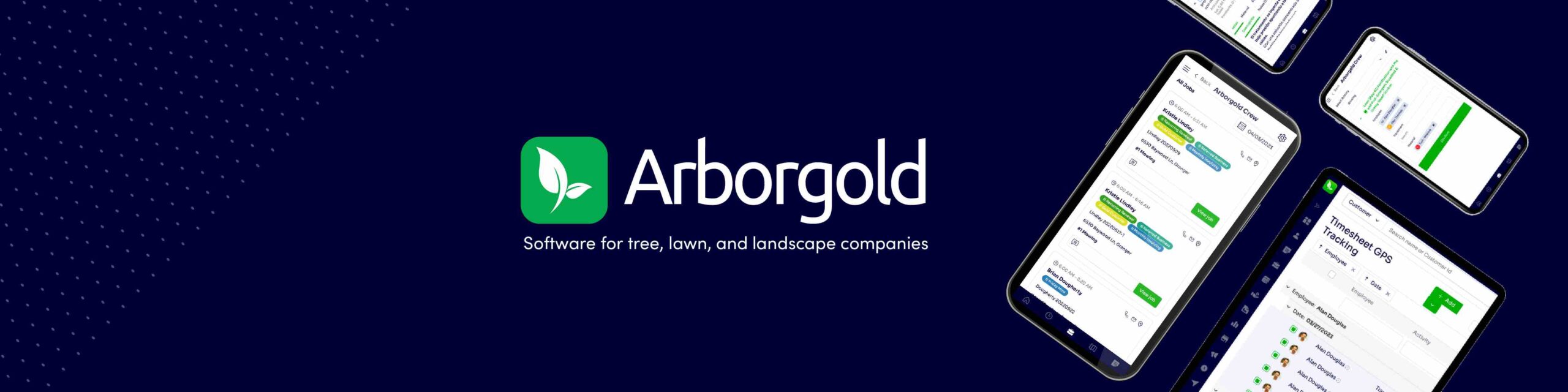
Arborgold users often begin to see this shift as their workflows become more connected. By connecting CRM, estimating, scheduling, and invoicing into one system, they reduce manual work and improve visibility across their operation.
That doesn’t just make things easier. It makes growth sustainable.
Instead of adding complexity with every new customer or crew, your system helps manage it more effectively.
Bringing It All Together
Growth exposes weaknesses in your system.
At first, those weaknesses look like small inefficiencies. Over time, they become barriers.
If your team is working harder but still struggling to keep up, the issue isn’t effort. It’s structure.
Disconnected tools can’t support a connected operation.
That’s why growing companies move toward landscaping CRM and full landscape business management software platforms that manage the entire workflow in one place.
When your system is built for how your business actually operates, everything changes. Scheduling becomes predictable. Communication becomes consistent. Performance becomes visible.
And growth stops feeling chaotic and starts feeling controlled.
Arborgold is built specifically for this stage of growth.
Arborgold users can manage customer relationships, create estimates, schedule crews, track job progress, and handle invoicing all within one connected system. Instead of relying on separate tools, your entire operation runs from a single platform designed for landscaping workflows.
That means fewer missed details, less manual work, and complete visibility into your business at every stage.
If your current setup is starting to slow you down, it’s not a sign to work harder. It’s a signal that your system needs to evolve.

Frequently Asked Questions
When should a landscaping company upgrade to landscape business management software?
A landscaping company should consider upgrading when manual processes start slowing down operations. If you’re managing multiple crews, handling recurring services, or re-entering the same information across systems, your current setup is likely limiting growth. Landscape business management software becomes essential when coordination, visibility, and efficiency begin to break down.
What problems does software for landscapers solve as a business grows?
As a landscaping business grows, disconnected tools create issues with scheduling, communication, and data accuracy. Software for landscapers solves these problems by connecting customer management, estimating, scheduling, and invoicing into one system. This reduces errors, improves team coordination, and gives owners clear visibility into daily operations and overall performance.
Is a landscaping CRM enough for a growing landscaping business?
A basic landscaping CRM can help manage customer relationships, but it’s not enough for growing operations. As complexity increases, businesses need a full system that connects CRM with estimating, scheduling, and billing. Without that connection, teams still deal with fragmented workflows, duplicate data entry, and limited visibility across the business.
Share this resource